
Subiaco Property Investor Report
Why this suburb, why now, and what could go wrong: prices vs Perth, yields, the Subi East supply pipeline, demographics, infrastructure and a clear strategy verdict for Subiaco (6008).
Data compiled 2026. Every figure is attributed to a named source below.
The short version
Subiaco is the inner-west blue chip that actually still moves. Houses trade around the $2 million mark and have grown by double digits over the past year, selling in about ten days. Unlike the beachfront prestige suburbs, Subiaco has ridden Perth's growth cycle rather than sitting it out.
Units are the volume market here, and the more interesting investor story: roughly $760,000 to buy, close to 5% gross yield, and more unit sales in a year than most suburbs manage in three. The catch is the biggest supply pipeline in the inner west. Subi East is set to add thousands of new dwellings within walking distance of the station over the next two decades, and the first towers start construction now.
The full report below covers price trends versus Perth, rents and yields, the vacancy and supply picture, who lives here, the infrastructure driving demand, the real risks, and our plain-English verdict on who Subiaco actually suits. Enter your email to read it in full.
Read the full Subiaco report
Price trends vs Perth, yields, vacancy, the supply pipeline, demographics, infrastructure, risk and our strategy verdict, with every figure sourced. Enter your email to unlock it instantly.
1. Suburb snapshot
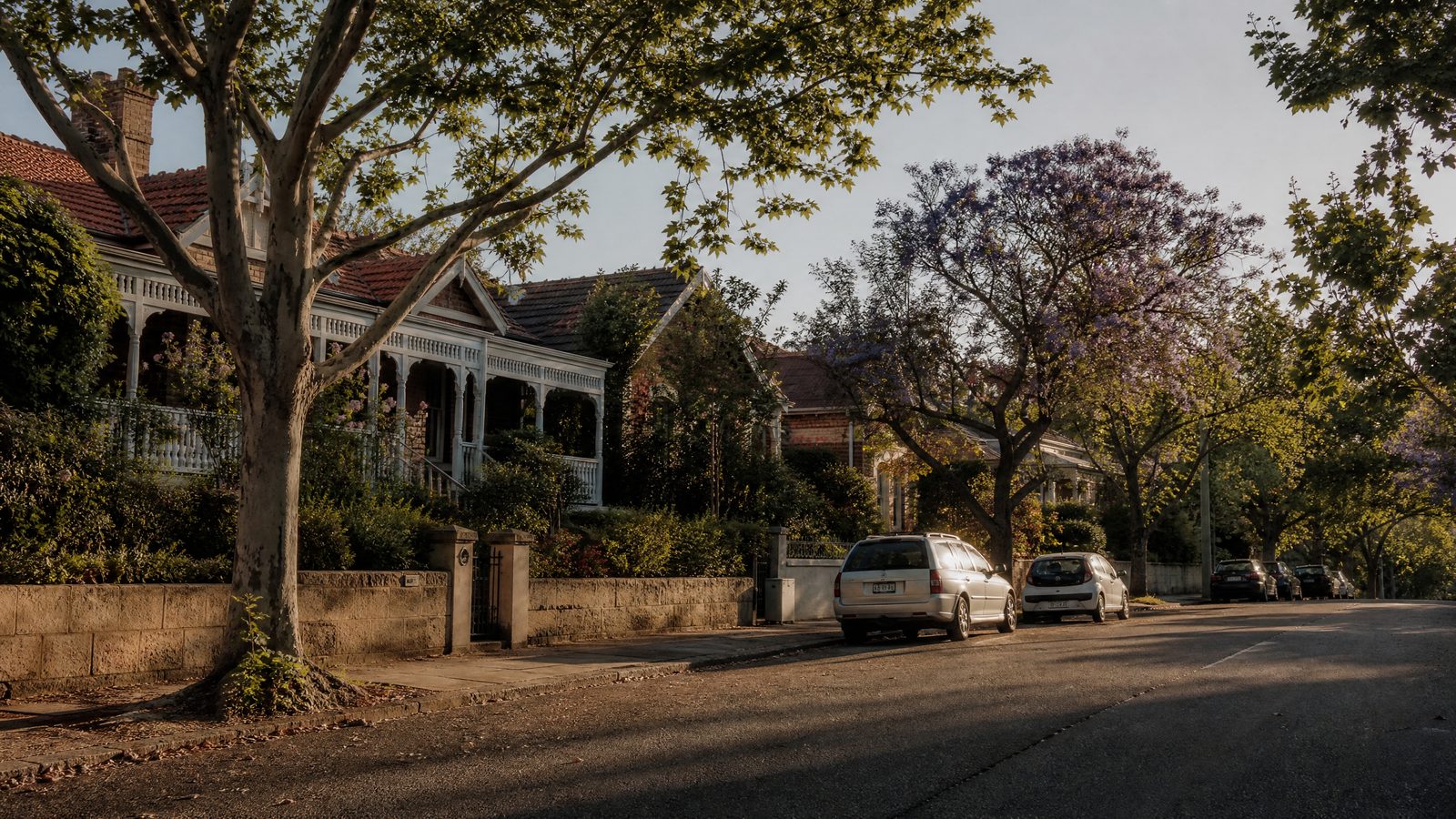
Subiaco sits about 4km west of the Perth CBD, wedged between Kings Park, the QEII medical precinct and the Fremantle rail line. It mixes heritage Federation streets with one of the state's most ambitious urban renewal projects, Subi East, on and around the old Subiaco Oval. For investors that makes it a rare two-speed market: a tightly held house market trading around $2 million, and a deep, liquid unit market with genuine yield. The thesis is inner-city land plus hospital and education employment, with one big caveat: more new apartment supply is coming here than anywhere else in the western suburbs.
2. Sales and price trends
The Subiaco median house price sits around $2.0 million with growth of about +14.3% over the past 12 months (CoreLogic data via Your Investment Property, 2026). REIWA's suburb profile runs higher at $2.3 million for the 12 months to July 2026 with +15.0% growth (REIWA), and property.com.au splits the difference at $2.2 million with +20.8%. Read it as a $2M-plus market growing at or slightly below the Perth average. Over five years, houses are up about +70% (OnTheHouse, to February 2026).
Units trade near $760,000, up about +14.4% over the year (Your Investment Property) and roughly +77% over five years (OnTheHouse). For context, Perth's median house price was about $920,000 in June 2026, up 16.5% on the year (REIWA figures via Prowest). Subiaco houses cost more than double the city median but have broadly kept pace with the citywide cycle, which is unusual for a prestige postcode and speaks to how much demand the hospital, school and renewal precincts generate.

"Subiaco is the western suburb I point growth-focused clients to when Cottesloe or Peppermint Grove money doesn't stack up. You still get the postcode, the schools and the land, but the market actually trades: over 350 sales a year, ten days on market, and price growth that has tracked the city instead of stalling. The homework here isn't demand, it's supply. Know exactly where the Subi East towers are going before you buy anything with a floor plate."
3. Rental market and yield
Houses rent for about $1,100 a week (Your Investment Property; REIWA), a gross yield of roughly 2.9%. That is thin, as it is across the whole inner west: a $2 million house is a growth asset with a rent cheque attached, not an income play.
Units are a different proposition: about $750 a week at a gross yield near 5.0% (Your Investment Property; property.com.au reads it as high as 5.2%). A 5% gross yield four kilometres from the CBD, next to a hospital precinct employing thousands, is the strongest income case in any western suburb we cover. It exists precisely because Subiaco has apartment stock the beach suburbs don't, and that stock is about to grow.
Units yield close to five percent gross, the best income case in the western suburbs we cover.
4. Supply and demand indicators
Demand-side, the market is fast and liquid by prestige standards: about 111 house sales and 243 unit sales in the past 12 months, with houses averaging 10 days on market and units 9 days (Your Investment Property). Perth metro vacancy sat near 2.1% in June 2026 (C&CO market summary), still below the 2.5% to 3.5% balanced range, and inner-city rentals with hospital and university tenants lease quickly.
Supply is the defining issue for the next decade. Subi East is a 35-hectare, state-led redevelopment of the Subiaco Oval and former Princess Margaret Hospital precinct, planned to house more than 4,000 new residents over about 20 years (DevelopmentWA). Inside it, UEM Sunrise's $450 million project at the Oval (towers of 36 and 26 storeys plus an 11-storey building, about 430 dwellings) is slated to start construction in 2026 (Green Street News; WA Government). Blackburne's ONE Subiaco ($280 million, 245 apartments) is already delivered on the old Pavilion Markets site (Blackburne), and the Court Place site is earmarked for up to 350 homes (WA Government). That is thousands of new dwellings, mostly apartments, arriving in stages into a suburb of under 10,000 people.
"Subi East will be great for the suburb and tricky for unit investors. Every new tower is competition for the unit you already own, and off-the-plan buyers will carry the absorption risk. My rule here: buy character stock the towers can't replicate, think art deco walk-ups, boutique groups near Rokeby Road, anything with land content, and let someone else buy the 350th new apartment with the same floor plan."
5. Demographics and affordability
Subiaco is professional, well paid and surprisingly renter-heavy. The 2021 Census recorded a population of 9,940 (up 8% on 2016), a median age of 40, and a median household income of $2,219 a week, well above the WA median (ABS 2021 Census). The tenure split is the tell: 45.0% of households rent, versus 28.7% owning outright and 24.1% paying a mortgage. Nearly half the suburb is a tenant pool, dominated by hospital, university and CBD professionals. That is why unit vacancy stays tight and why the rental market absorbs new stock better here than in owner-occupier suburbs.
6. Infrastructure and growth drivers
The demand investors are buying into is anchored by institutions that are not going anywhere:
- Health employment. The QEII medical precinct, including Sir Charles Gairdner Hospital and the Perth Children's Hospital, borders the suburb and supplies a deep, stable pool of medical and academic tenants (UWA Health Campus).
- Rail and CBD access. Subiaco and Daglish stations sit on the Fremantle line, about 4km from the CBD, with the suburb framed by Thomas Street and the freeway (REIWA; DevelopmentWA).
- Education. Bob Hawke College opened inside the Subi East footprint in 2020 and its catchment is a genuine driver of family demand, alongside the western suburbs private school belt (DevelopmentWA).
- Lifestyle. Rokeby Road's dining strip, the Subiaco markets precinct and Kings Park on the doorstep give the suburb a lifestyle brand that supports both owner-occupier and tenant demand (REIWA).
- Urban renewal. Subi East will lift amenity, retail and public space over 20 years even as it adds supply (see section 4).
7. Risk assessment and strategy fit
- Apartment supply wave. Thousands of Subi East dwellings will arrive in stages. Generic modern units will compete directly with brand-new stock for a decade; character and boutique stock is far better insulated.
- Thin house yields. At ~2.9% gross, a house here needs meaningful capital growth to justify holding costs.
- Off-the-plan risk. Buying into the towers means paying today's construction costs for tomorrow's valuation, with heavy identical-stock competition at resale.
- Data spread. Sources put the house median anywhere from $2.0M to $2.3M. On a market this varied, street-level comparable evidence matters more than the suburb median.
- Rate sensitivity. A renter-heavy, professional market reacts faster to employment and rate shifts than the old-money beach suburbs.
Strategy fit. Subiaco suits a growth investor buying a house or character duplex for land-backed capital growth near the hospital precinct, or a yield-focused investor buying an established unit with a point of difference. It does not suit buyers of generic off-the-plan apartments, who will spend ten years competing with the Subi East pipeline.
8. The investor verdict
Subiaco is the rare prestige suburb that gives you both liquidity and growth: 350-plus sales a year, ten days on market, double-digit annual growth and the inner west's only real yield story. The trade-off is a decade of incoming apartment supply. Buy established, buy character, buy near Rokeby Road or the hospital precinct, and treat every off-the-plan brochure as a reminder of what your resale competition will look like in 2030.
Sources
- Your Investment Property (CoreLogic data), Subiaco 6008
- REIWA, Subiaco suburb profile
- property.com.au, Subiaco 6008
- OnTheHouse, Subiaco 5-year growth
- REIWA Perth market figures, June 2026 (via Prowest)
- C&CO, Perth vacancy and rents, July 2026
- ABS 2021 Census, Subiaco (SAL51416)
- DevelopmentWA, Subi East
- Green Street News, UEM Sunrise Oval towers
- WA Government, Subiaco Oval lots
- Blackburne, ONE Subiaco
- UWA Health Campus / QEII precinct
Thinking about buying in Subiaco?
Numbers like these only get you so far. We can pull live comparable sales, pressure-test a specific property against this data, and negotiate on your behalf in Subiaco.